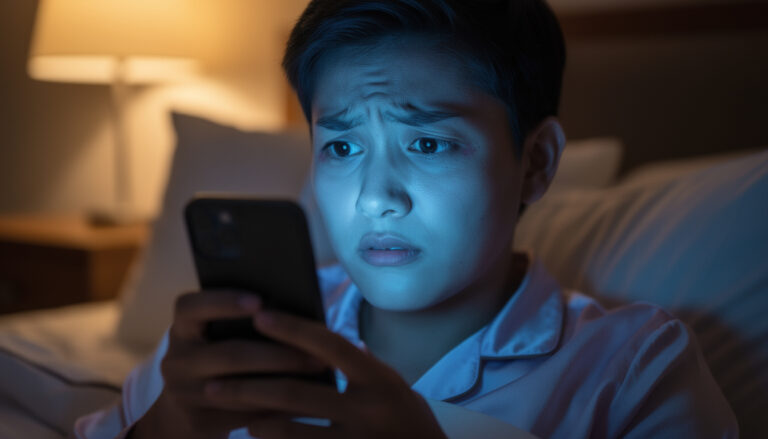
For many of us, coffee is more than just a morning ritual; it’s a beloved companion throughout the day, often extending into our evenings. The warm, rich aroma of a freshly brewed cup can feel comforting, especially as we unwind after a long day. However, the question looms: when should we stop drinking coffee to ensure our sleep quality remains intact? ☕️
Understanding the Impact of Caffeine on Sleep
Caffeine is a complex substance that directly influences our sleep quality. It interacts with our circadian rhythm, the natural internal process that regulates our sleep-wake cycles. Consuming coffee too late in the day can lead to insomnia and restlessness, disrupting our crucial rest periods.
How Late Can I Drink Caffeinated Coffee?
Most health experts recommend stopping caffeine intake at least six hours before bedtime. According to nutritionist Sarah Schlichter, if your bedtime is around 10 PM, your last cup of coffee should ideally be finished by 4 PM. This guideline helps protect against the disruptive effects that caffeine can have, enhancing your chances of a restful night’s sleep. 💤
What Happens If You Drink Coffee at Night?
For those prone to sleep issues, indulging in coffee after dinner could lead to increased wakefulness and heightened anxiety. This can be attributed to the way caffeine elevates cortisol levels—the body’s main stress hormone. While the sociability of gathering over a cup during family dinners feels warm, it’s crucial to consider the potential impact on your sleep. Adequate, restorative sleep is essential for overall health, making it vital to assess our caffeine habit. ☕️❌
Exploring Alternatives to Coffee Before Bed
If you’re seeking an evening beverage that won’t hinder your sleep, consider alternatives such as:
Why you should eat pumpkin seeds every single day
- Tart cherry juice: Known for its sleep-inducing properties, this juice is a delightful way to wind down.
- Chamomile tea: A soothing herbal tea that promotes relaxation and helps quell stress before bedtime. 🍵
- Decaffeinated green tea: Offers a gentle warmth and can provide a calming placebo effect for those who enjoy sipping a warm drink before sleep.
Choosing these alternatives can help maintain relaxation without the risk of restless nights. Allow yourself the indulgence of a calming beverage; it might become your new evening ritual. 🌙
The Role of Caffeine Metabolism
It’s important to note that individuals metabolize caffeine differently. Some might find they can consume coffee later in the day with minimal impact, while others may feel the effects much longer. Personal sensitivity to caffeine plays a significant role in determining your ideal coffee cutoff time. 🌿
Final Reflections on Caffeine and Sleep Hygiene
The relationship between coffee consumption and sleep is nuanced and deeply personal. Practicing good sleep hygiene means being mindful of not only when you consume caffeine, but also how it interacts with your lifestyle. Tracking your mood and sleep patterns could offer insights into your specific needs, helping you elevate both your mental clarity and your rest. 🌌
As the evening approaches, embracing the wisdom of your body will guide you in nurturing your sleep quality. Starting tonight, consider taking note of your caffeine habits and allowing yourself the grace to shift towards mindful choices that honor your well-being.