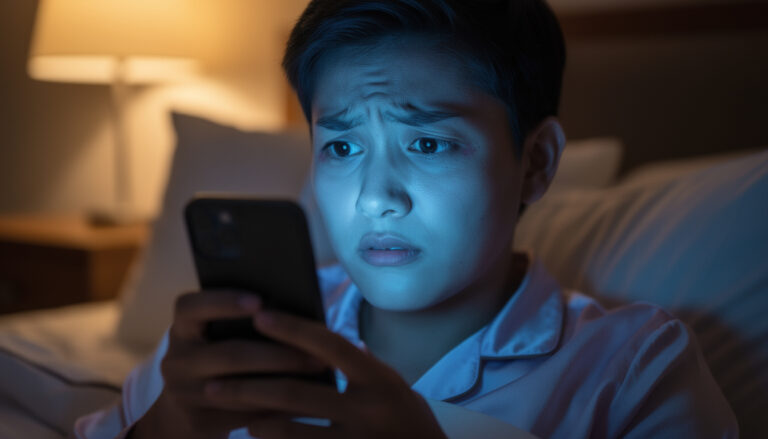
As December winds down and we step into January, the promise of fresh starts often collides with the chaos of our surroundings. It’s a familiar story: after months of festivities, our homes feel cluttered with remnants of the holiday season, creating an overwhelming sense of disorder. The chaotic visibility of possessions can be as draining to our mental well-being as the hectic schedules that often accompany this time of year. The pressure to achieve perfection or maintain resolutions can often lead to heightened stress levels, further exacerbating feelings of anxiety and discomfort. But what if there’s a scientific reason behind this? What if that clutter we see isn’t just a nuisance but a direct contributor to our mental distress? Enter the term “chaos hormone.” This article explores the intricate connection between visual clutter, cortisol, and our overall health 🍂.
Understanding the Chaos Hormone: The Link Between Clutter and Stress
At its root, the chaos hormone is a colloquial term used to describe how clutter in our environments translates into increased cortisol production—the body’s primary stress hormone. Our brains are wired to process information from our surroundings constantly. So when we are faced with visual clutter, it can lead to overstimulation. The principle of psychophysiology explains this relationship; clutter creates a subtle but pervasive background noise that makes it difficult to focus on what truly matters.
“Clutter is not just a visual aspect but an emotional burden that weighs on our ability to concentrate and succeed.”
The Neuroscience Behind Clutter: A Brief Dive into Neuroendocrinology
Research from neuroscience corroborates these claims. Studies reveal that individuals in cluttered environments experience elevated cortisol levels throughout the day, which has compelling implications for mental health. When the living space becomes a chaotic backdrop, the brain struggles to discern what to focus on, leading to feelings of inadequacy and frustration. In essence, that clutter isn’t just a trivial problem; it has tangible effects on a person’s emotional state. Advocating for an organized space can lead to improved mental clarity and well-being.
Recognizing Clutter Anxiety: Understanding Its Effects
Clutter anxiety often manifests as two emotional responses: procrastination and avoidance. This phenomenon can be traced back to the concept of decision fatigue—the decline in our ability to make choices after a long session of decision-making. When a person is faced with myriad options, such as which direction to clean first or what items to discard, it can become paralyzing. Thus, instead of taking action, many may find themselves avoiding the task altogether, perpetuating the chaos.
Waking up tired? The psychological reason your sleep isn’t refreshing
- Start with one area: Focus on a single room or a specific space.
- Set a timer: Allocate 10 to 15 minutes for decluttering, then take a break.
- Sort items: Use the ‘keep, toss, donate’ method to simplify decisions.
As you consider this, ask yourself: What does your clutter represent in your life? Is it emotional baggage, unachieved goals, or even past experiences? 🧘♀️
The Power of Decluttering: A Path to Reduced Stress
What’s inspiring about this knowledge is that taking action against clutter can lead to profound changes in our emotional landscape. Decluttering isn’t just about organizing physical spaces; it’s an act of reclaiming control, leading to reduced stress levels and improved focus. Initiating the decluttering process can be daunting, but breaking it down into manageable steps can transform this overwhelming chore into a liberating experience. Embracing strategies like the KonMari Method, where we keep only items that “spark joy,” can foster an uplifting atmosphere.
Adopting Mindfulness in Decluttering: Tuning Into Your Environment
Integrating mindfulness into decluttering practices can yield lasting benefits. When individuals slow down and consciously engage with their environment, they not only clear physical space but also mental clutter. Start by being present in the moment; acknowledge feelings that arise during the decluttering process. 🌟 Journaling emotions tied to possessions can illuminate underlying issues or memories that inhibit letting go. By doing this, decluttering becomes a form of self-care that facilitates emotional healing.
- Reflect on each item: What memories does it evoke?
- Practice gratitude: Thank items for their service before discarding.
- Visualize space: Imagine how a clutter-free environment can improve your life.
Take a moment to reflect: how does the act of clearing space make you feel? 🎈
Embracing Change: The Transformative Nature of a Clutter-Free Environment
Ultimately, embracing decluttering means welcoming change into your life. According to psychological research, a calm environment leads to higher productivity and enhanced emotional resilience. Engaging in the decluttering process not only lowers cortisol levels but also cultivates a sense of accomplishment and empowerment. Challenge yourself to continue this journey, allowing for a deeper connection to your living space and, in turn, to yourself. The stress of clutter can be overwhelming, but the effects of transforming that space are liberating, prompting both mental clarity and emotional fortitude.
In the coming weeks, pay attention to your connection with your environment, and see how it impacts your mental state. Each small step you take towards organization can lead to broader changes in your life. Remember that patience is key in your personal growth journey, and let those shifts bring newfound clarity and calmness to your mind. As the year unfolds, keep inviting this clarity into your life, and let it inspire you to share your insights with others on similar journeys.