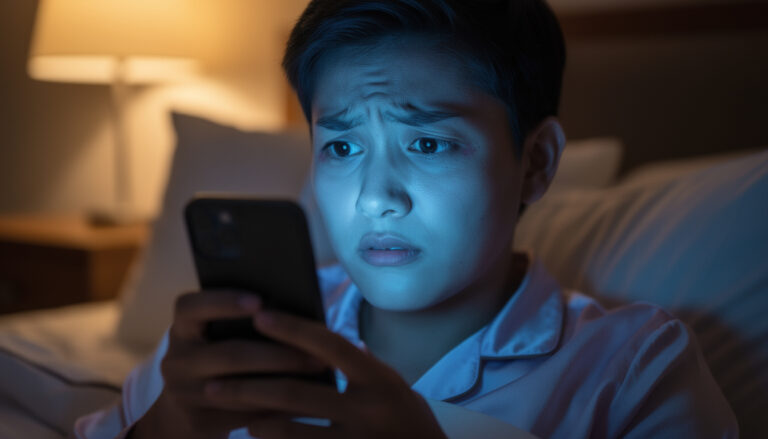
The dance between our daily rituals and our body’s natural rhythms is delicate, and caffeine plays a significant role in that choreography. For many, that afternoon cup of coffee becomes a cherished tradition, a warm embrace against the post-lunch slump. Yet, as the clock strikes 2 PM, a pivotal choice emerges: to sip or not to sip? The potential consequences of drinking coffee after this hour can resonate far beyond that moment, impacting sleep quality and overall well-being.
The Dance of Caffeine and Sleep
The relationship between caffeine and sleep is complex, woven into the fabric of our body’s natural needs. Caffeine acts as a central nervous system stimulant, encouraging wakefulness by blocking adenosine—the chemical in our brains that indicates it’s time to wind down. As we transition from day to evening, this interference can build a foundation for permanent sleep issues if one is not careful with their caffeine timing.
Understanding Caffeine’s Impact
Throughout the day, our bodies naturally accumulate adenosine, resulting in an increasing pressure to sleep. Caffeine, with its similar structure, binds to the same receptors, disguising our tiredness and masking the need for rest. This blocking mechanism, while effective in the short term, can lead to a cascade of sleep disruptions later as residual caffeine lingers in the body long after the initial energy boost fades.
Interestingly, the average half-life of caffeine is around five hours, though this can vary significantly among individuals. Factors such as genetics, lifestyle habits, and even certain medications affect how quickly caffeine is processed. This variability means while one person may feel perfectly fine with a 3 PM coffee, another might find their sleep severely compromised well into the night.
The Essential Caffeine Cutoff Time
As a guideline, most experts suggest establishing a clear cutoff time for coffee consumption. A safe time generally falls between 2 PM and 3 PM for many. By halting caffeine intake during this window, individuals can allow their bodies the necessary time to metabolize caffeine before bedtime. For those who enjoy their caffeine fix later in the day, opting for decaffeinated options can provide comfort without the sleep-damaging side effects.
The forgotten seed: Eat this powerful snack daily to protect your bladder and prostate
The Challenge of Evening Caffeine Effects
As comforting as that afternoon coffee might feel, it’s essential to recognize the potential evening caffeine effects that could impede the night’s peace. Studies show that caffeine can extend sleep latency—the time it takes to fall asleep—and reduce overall sleep time. It can also detract from vital restorative phases of sleep, particularly slow-wave sleep, hindering our physical restoration and memory consolidation.
Prioritizing Your Sleep Quality
Your well-being deserves a nurturing space, and sleep is a key pillar of that foundation. Consider reflecting on your caffeine habits thoughtfully. If you often wake feeling unrefreshed or struggle to drift into a peaceful slumber, it may be time to reevaluate your relationship with caffeine. Embracing this shift can feel daunting; however, it’s essential to foster habits that serve your long-term health. Make this journey a gentle exploration of your needs and desires.
Implementing Change
Gradually setting a caffeine deadline can be a pathway of compassion toward oneself. The ritual of coffee can still be enjoyed in the morning or shifted to alternatives in the afternoon. Herbal teas, infused waters, or decaf delights can satisfy the craving without encroaching on the sleep you deserve.
As you navigate the nuances of your daily caffeine intake, remind yourself that it’s never simply about the coffee—it’s about nurturing the body as a harmonious whole.